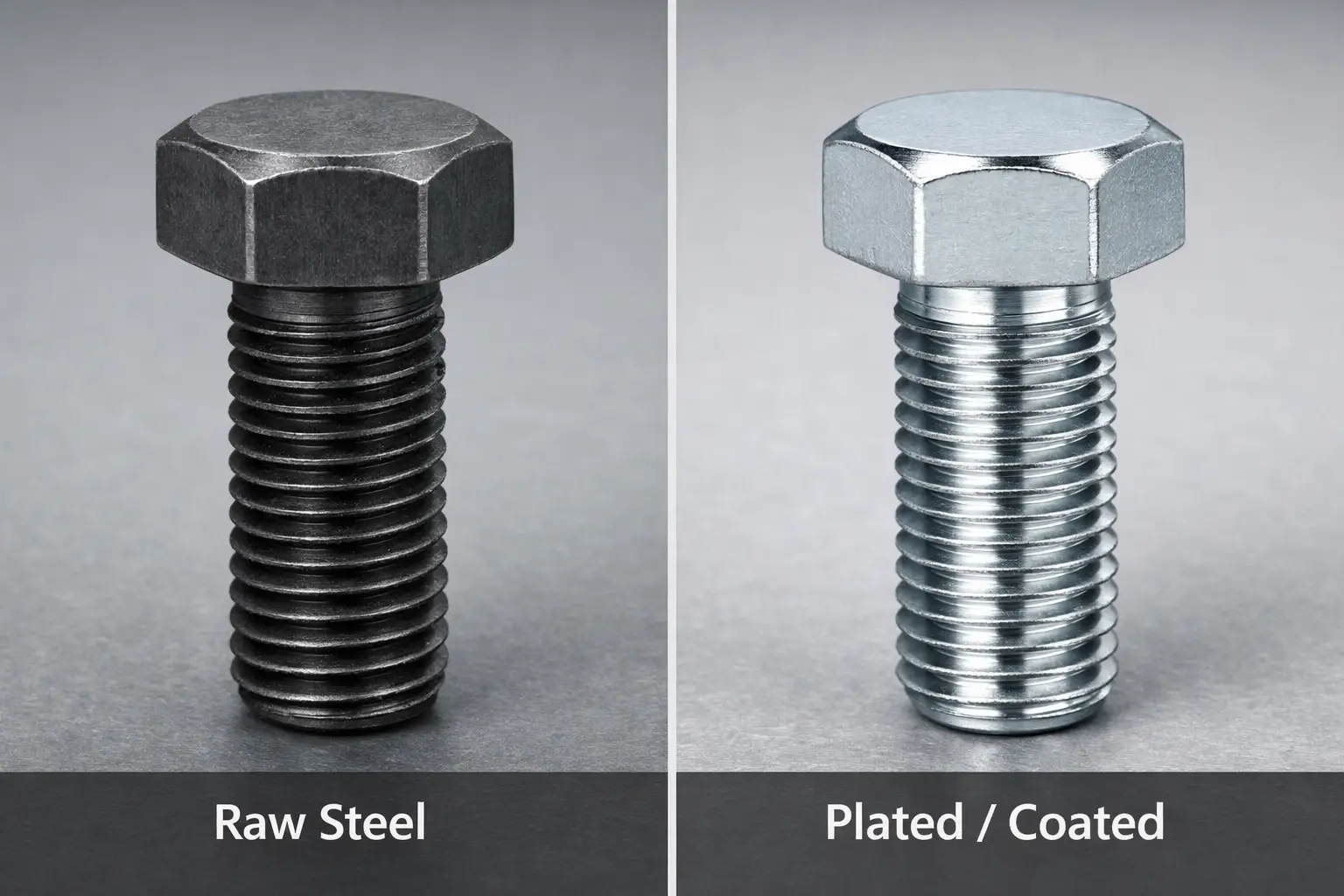
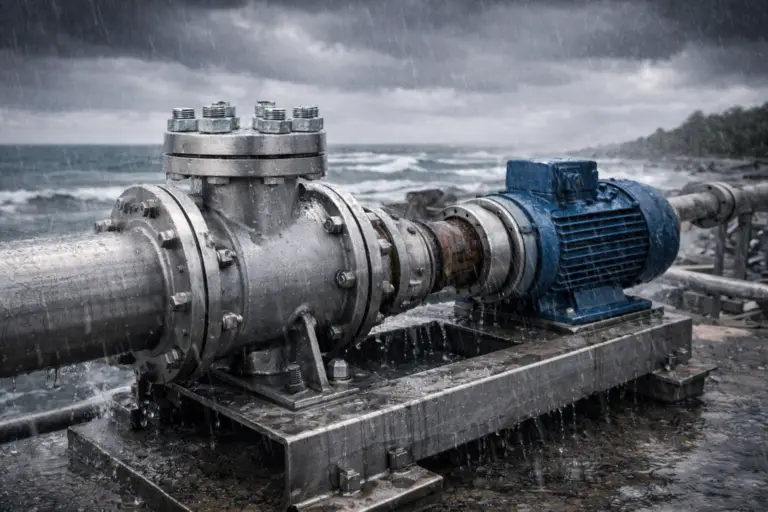
Many finishes create a barrier between the base metal and the surrounding environment, slowing oxidation and extending service life.
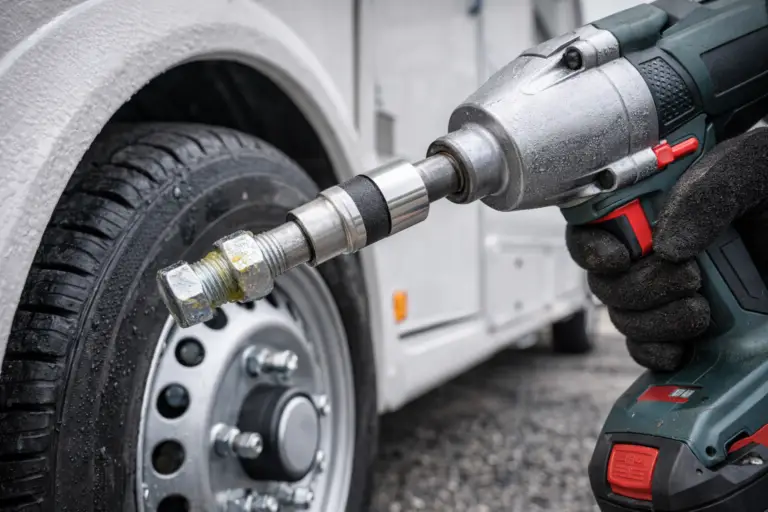
Some coatings incorporate lubricating properties that reduce friction during installation. This helps improve torque-to-tension consistency and clamp load reliability.
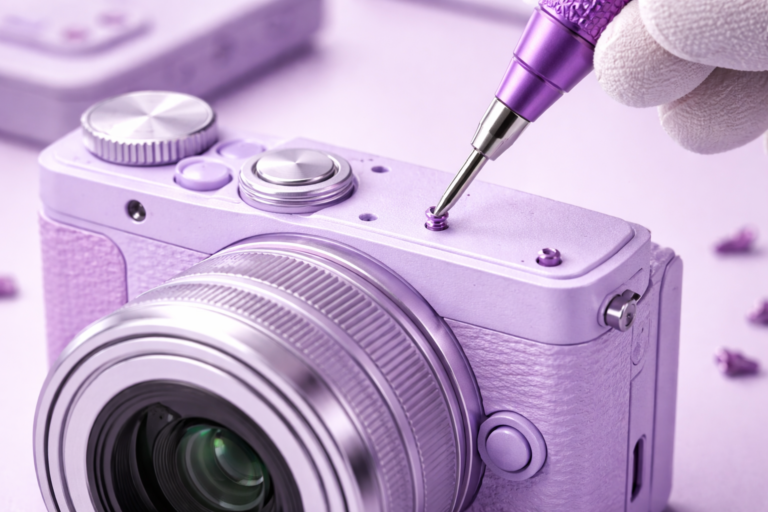
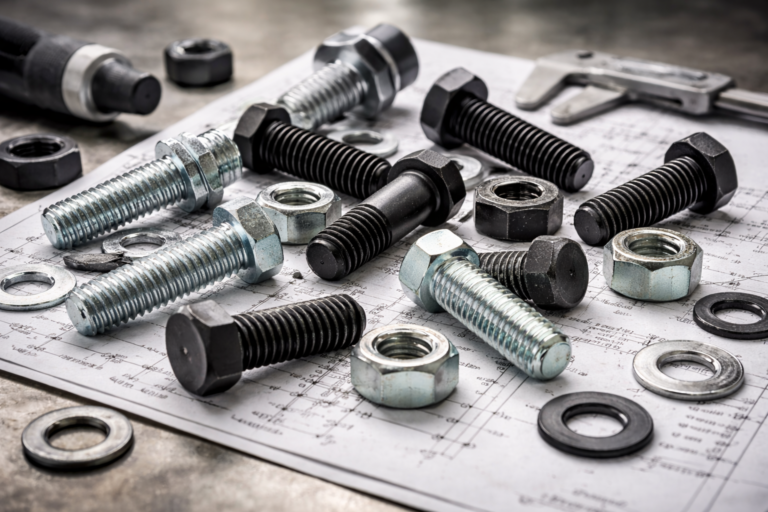
In many assemblies, fasteners are visible components. Finishes such as black coatings, zinc plating, or polished finishes can improve the overall aesthetic quality of the final product.
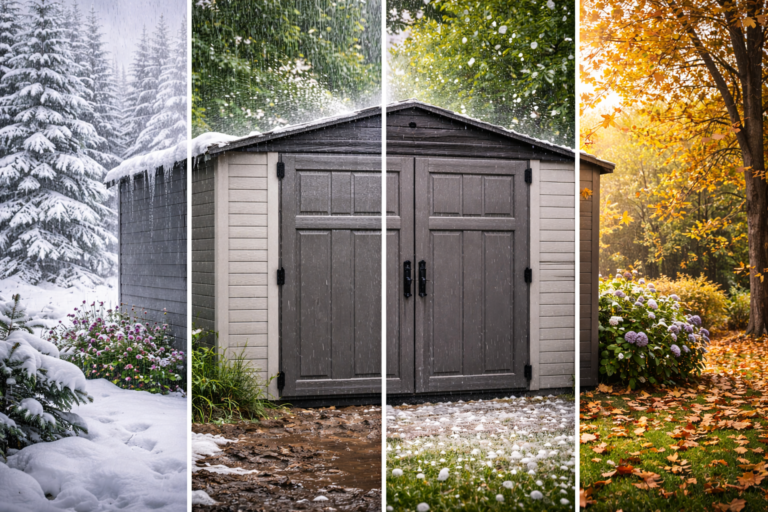
In demanding environments such as outdoor equipment, infrastructure, or industrial machinery, finishes can significantly increase the lifespan of fasteners.
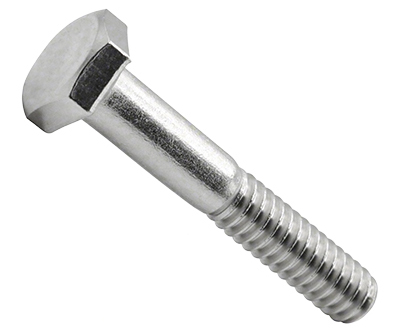
The most widely used finish for steel fasteners. Zinc provides sacrificial corrosion protection by corroding before the underlying steel.
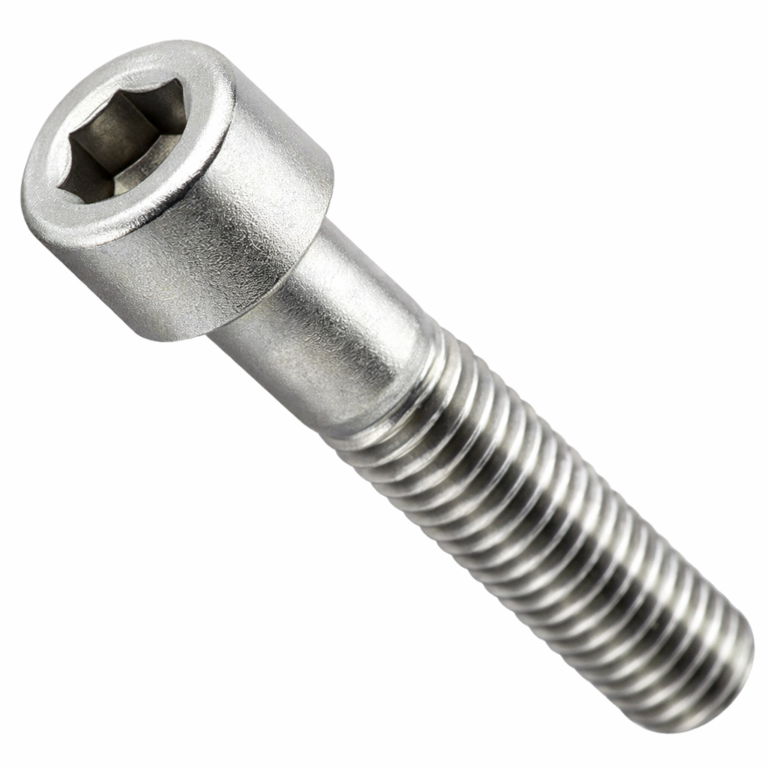
Offers significantly higher corrosion resistance and improved durability.
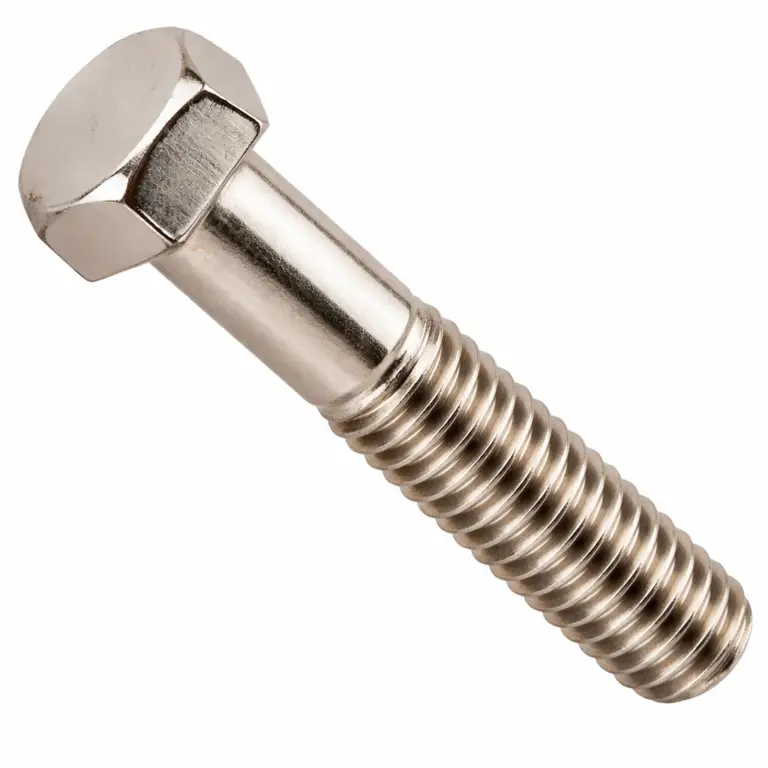
Used where appearance, wear resistance, and durability are priorities.
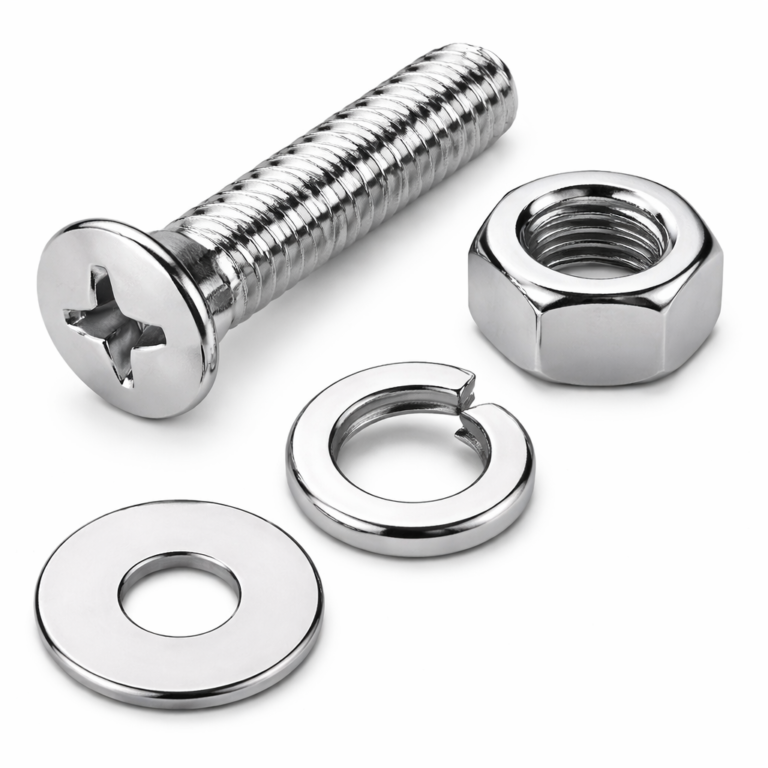
Provides a hard, bright, reflective surface often used for decorative or specialty applications.
The most widely used finish for steel fasteners. Zinc provides sacrificial corrosion protection by corroding before the underlying steel.
Offers significantly higher corrosion resistance and improved durability.
Used where appearance, wear resistance, and durability are priorities.
Provides a hard, bright, reflective surface often used for decorative or specialty applications.
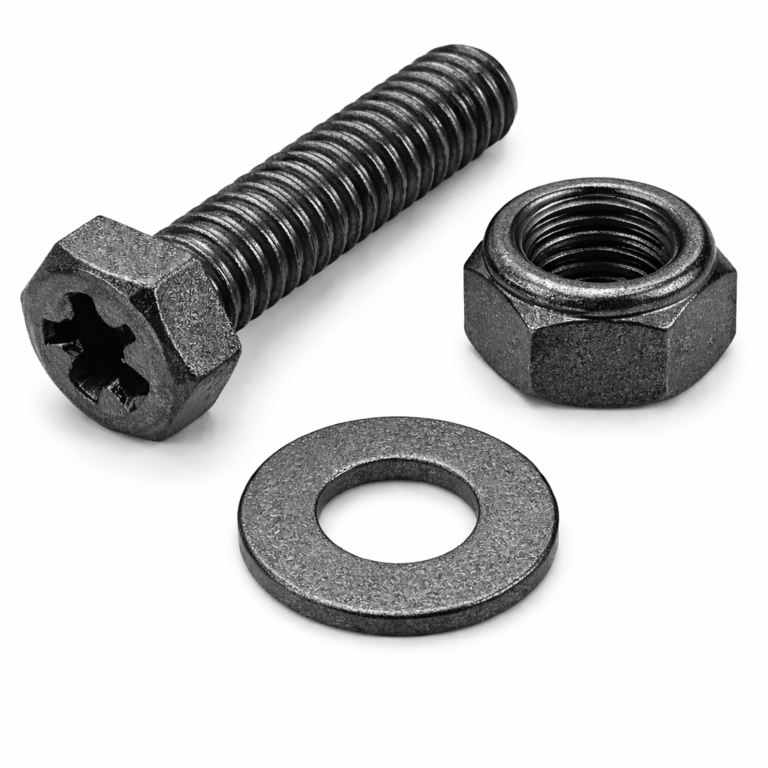
Provides excellent corrosion resistance and are commonly used in demanding environments.
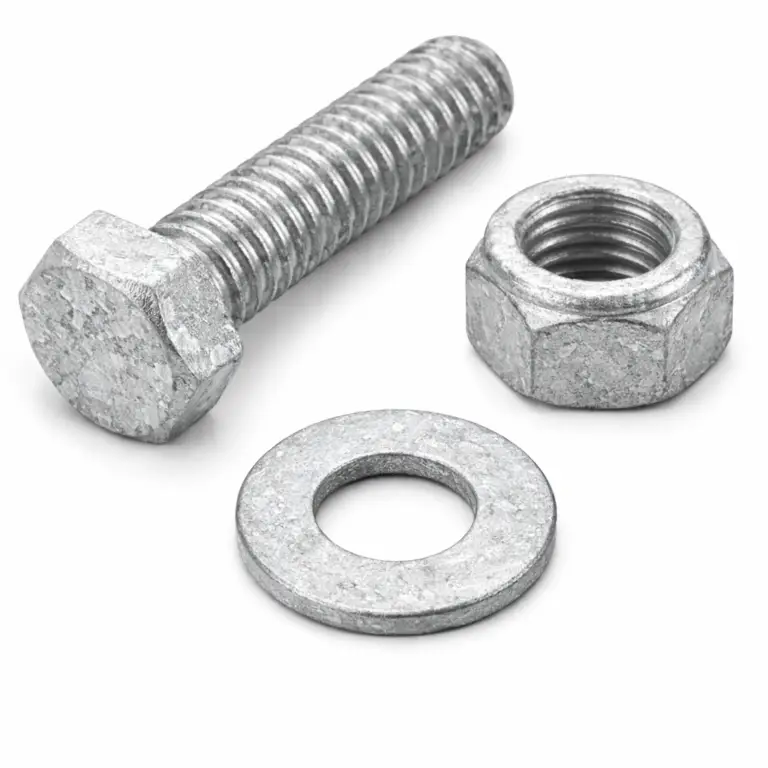
Fasteners are immersed in molten zinc to produce a thick protective layer.
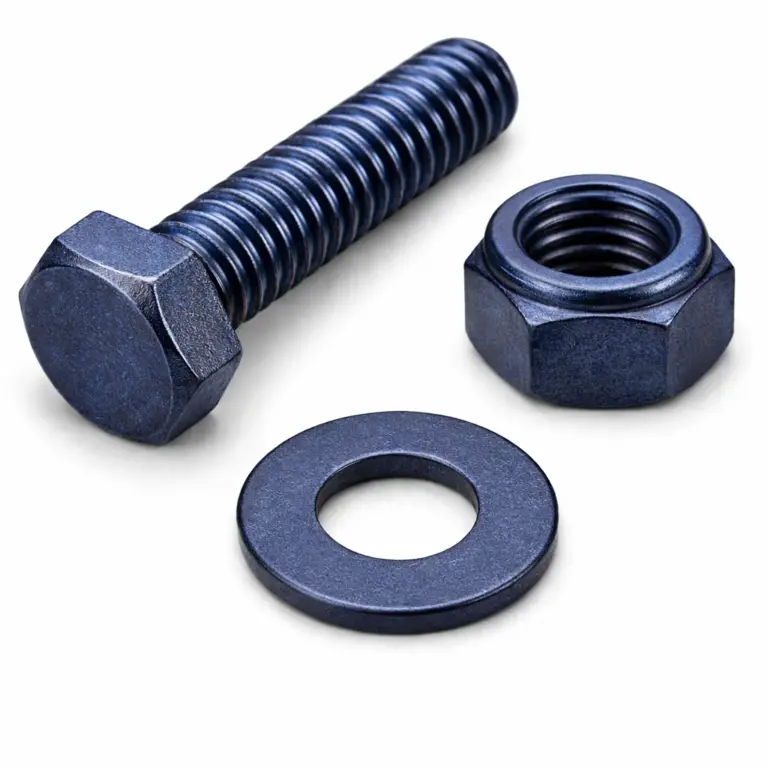
Provide low friction, corrosion resistance, and chemical resistance.
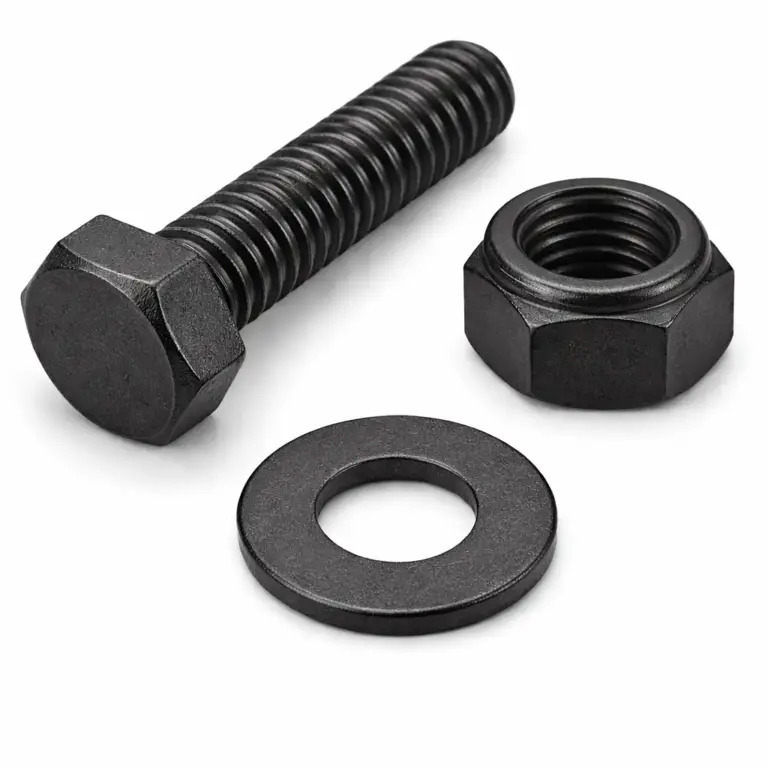
Used for structural applications and outdoor equipment.
 English
  Español de México